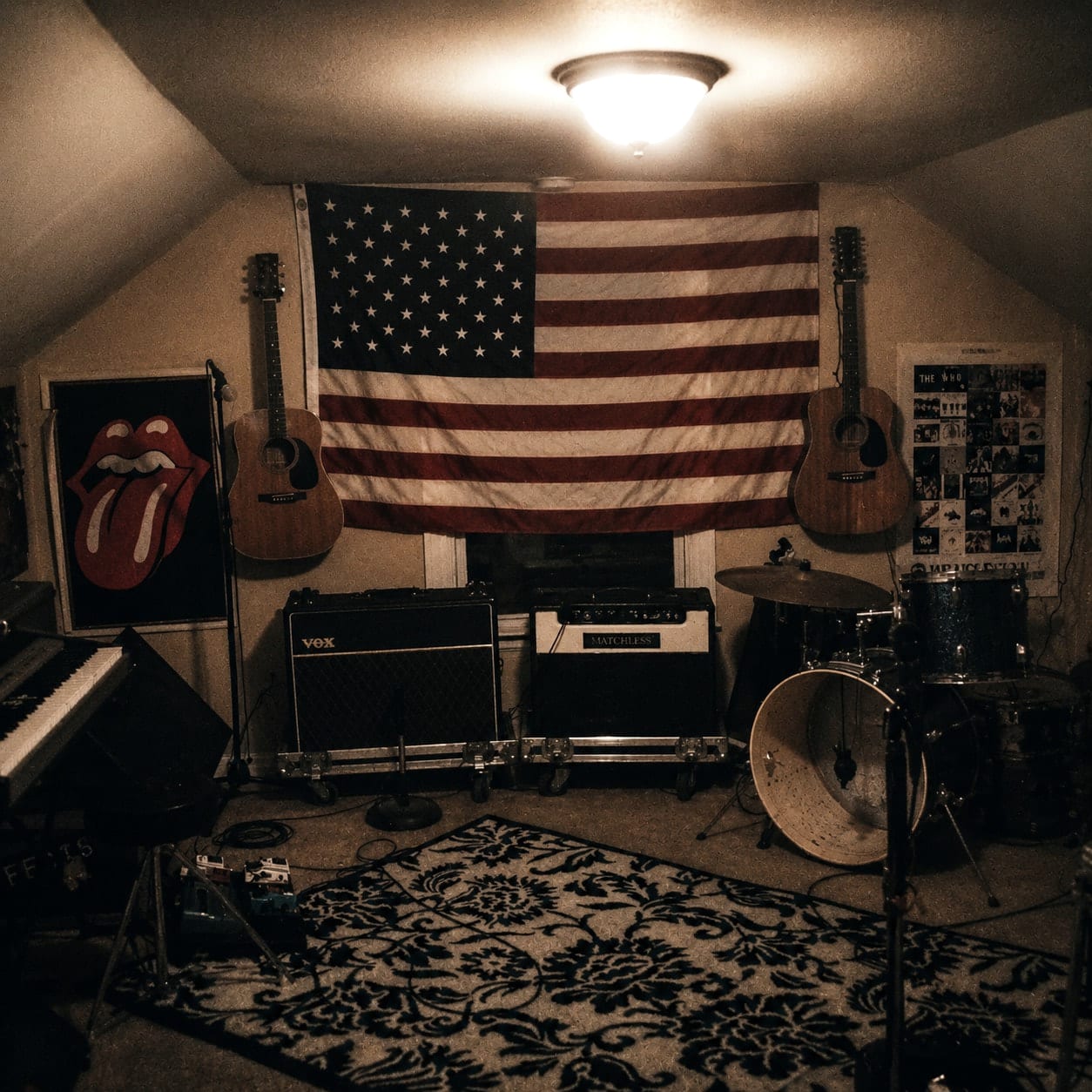
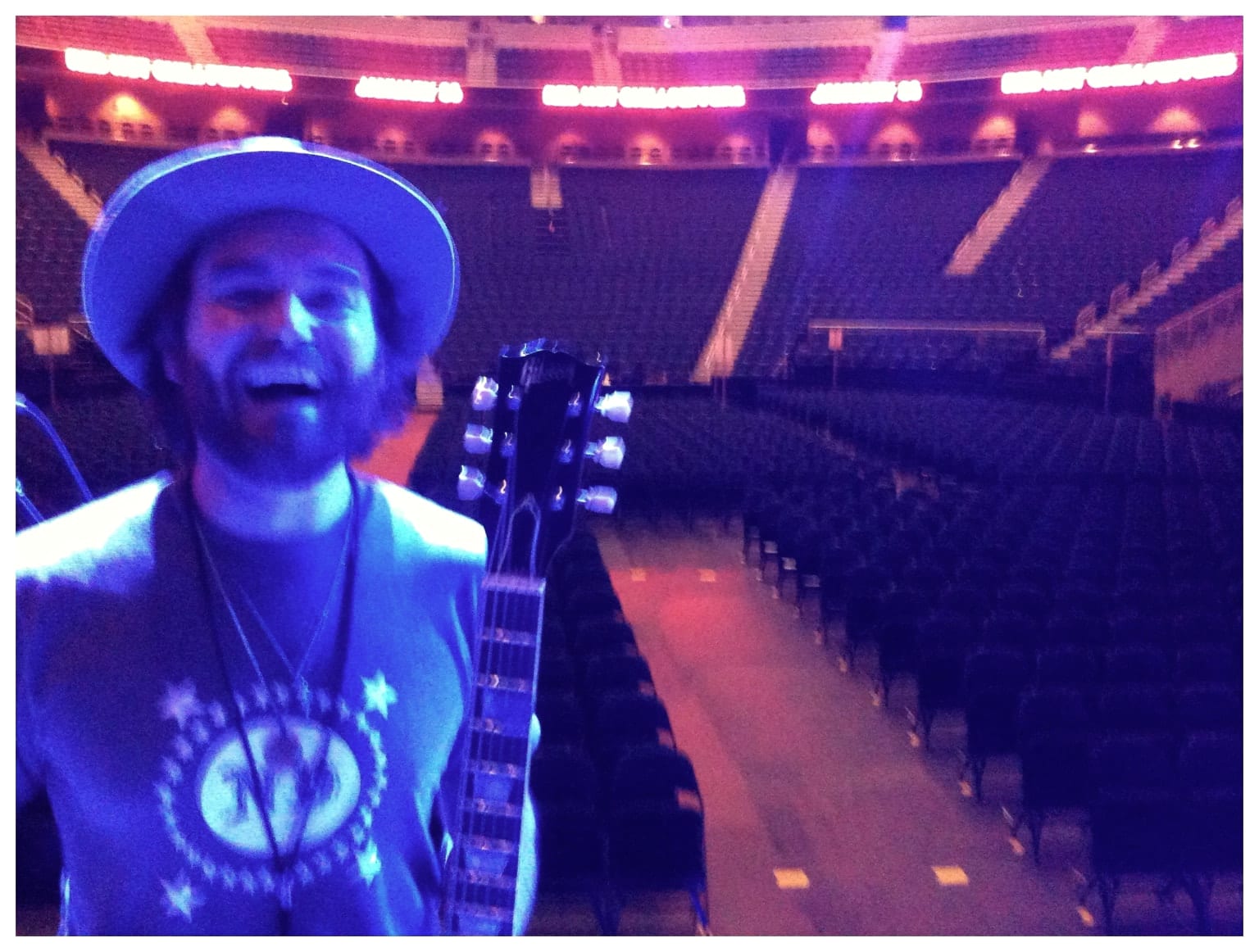
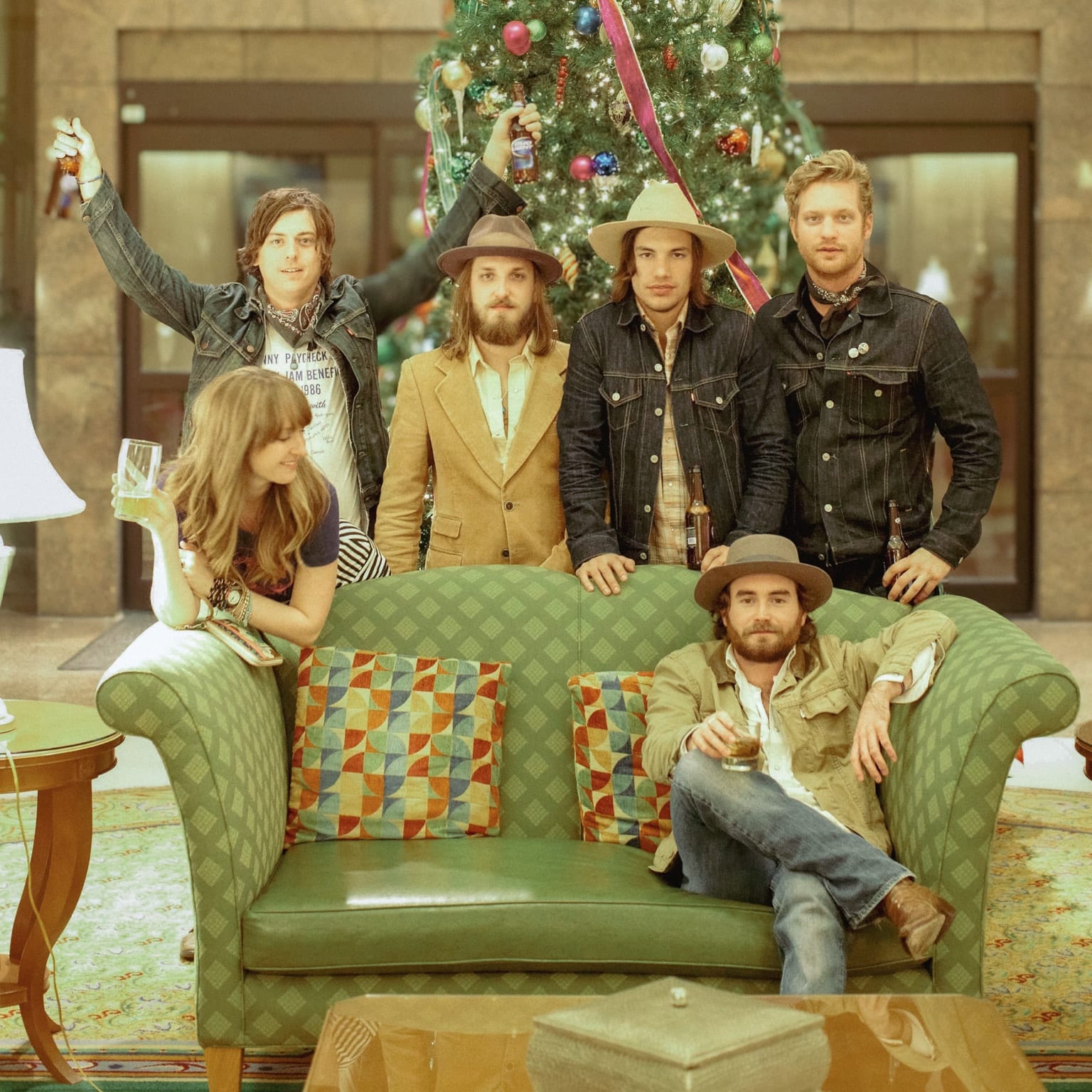
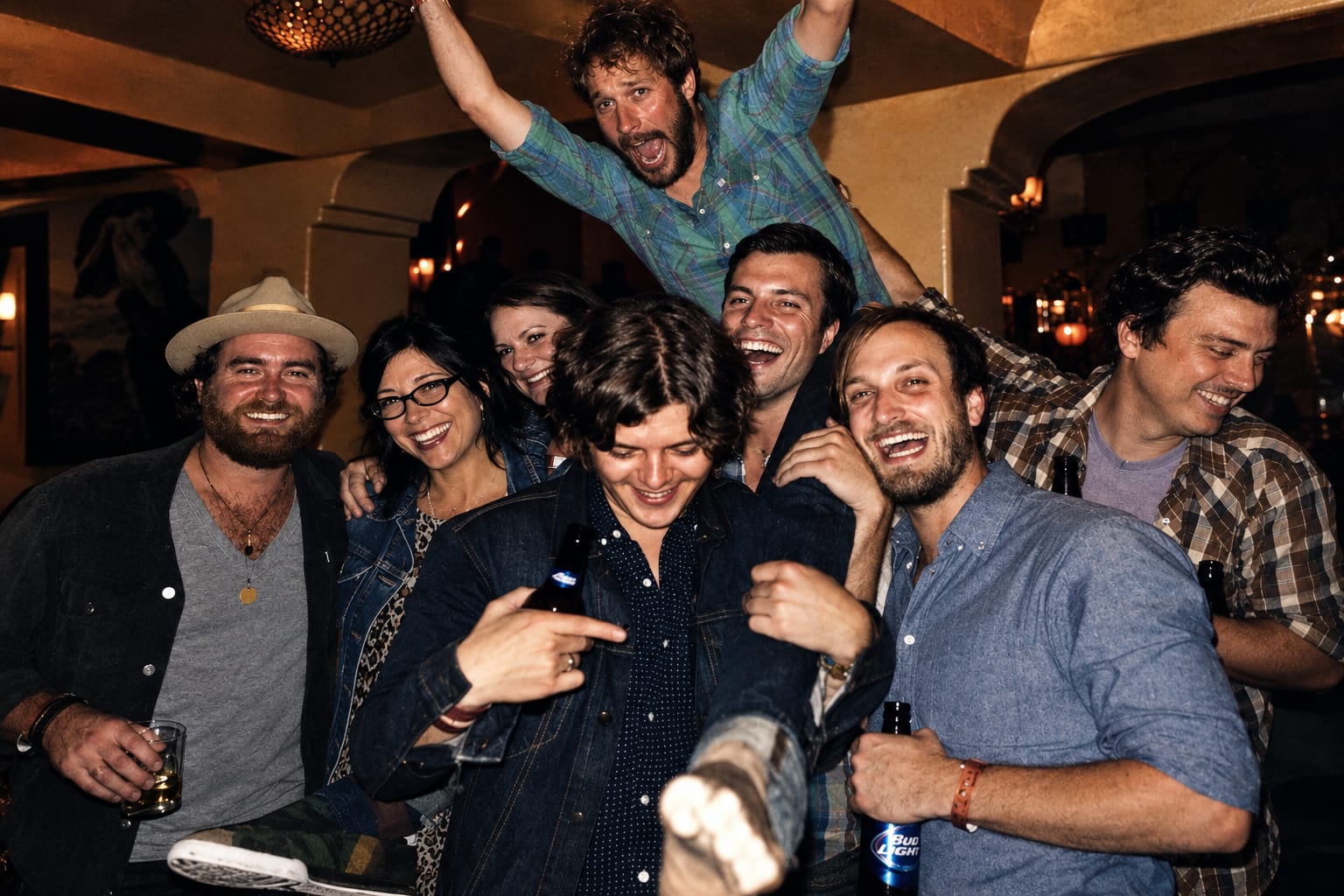
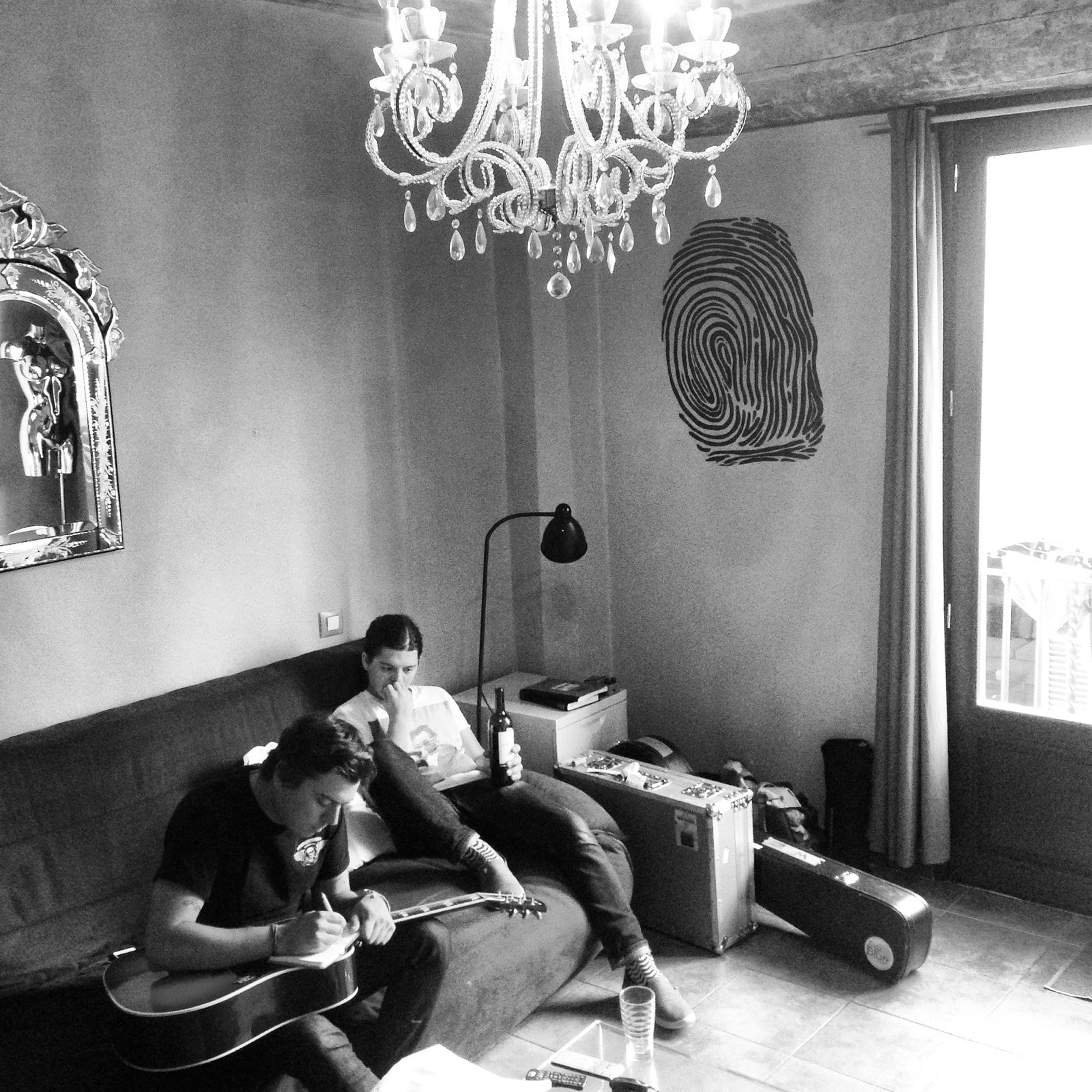
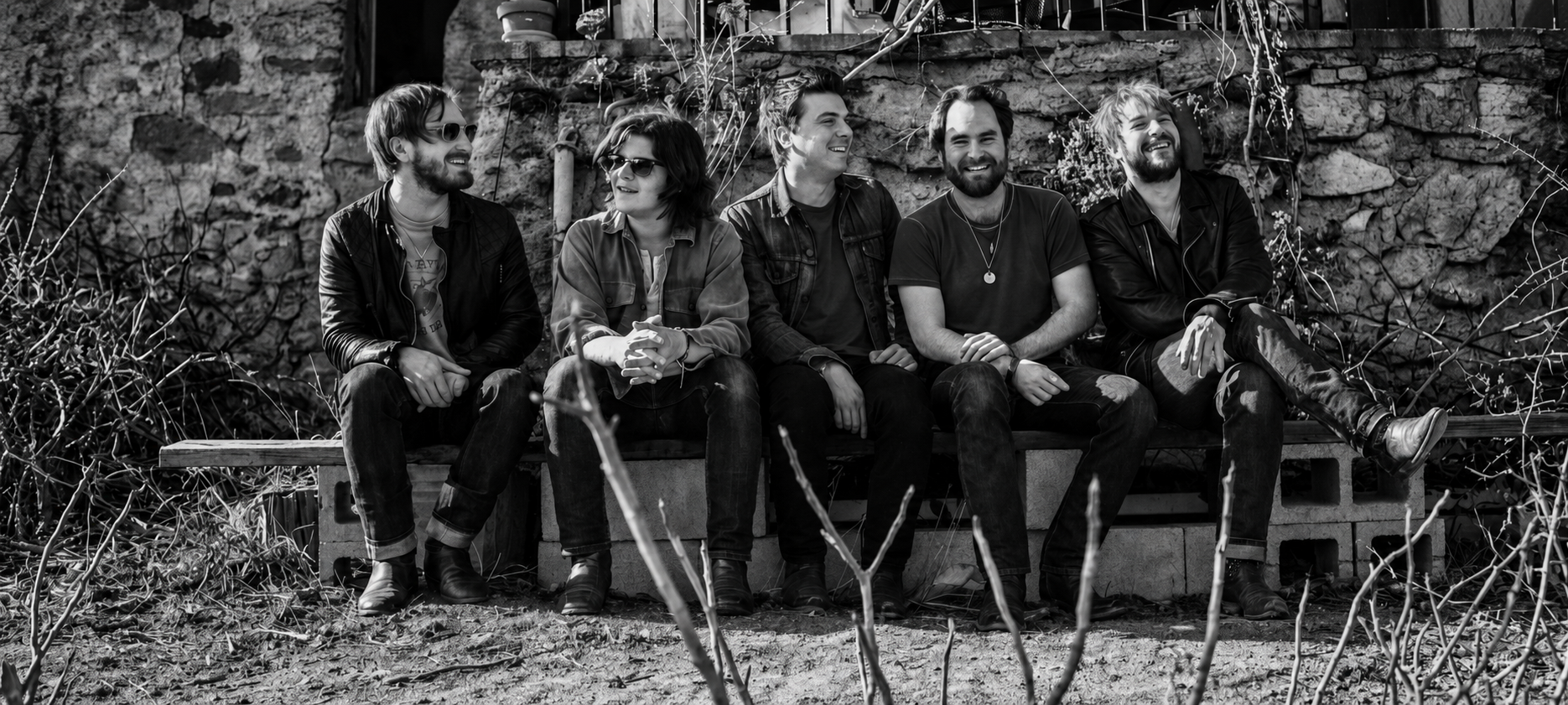
It begins with four writers in small rooms, making songs before there was any proof the world would listen.
The break came. The rooms got larger. The work carried the band through two records before the lineup changed in late 2015.
Three essential stories
Start where the music changed.
Three moments carry the clearest path through the band’s early life: the songs taking shape, the first record finding its sound, and the road becoming a public career.
Complete historyFollow all six chapters since 2010
The Firsthand Archive, 2010–2015
The founding guitarist’s attributed memories, photographs, and materials are limited to the years he participated in the band. History after 2015 is presented as researched chronology and attributed testimony from additional participants, not as the founding guitarist’s firsthand account.
Chapter 01 · 2010–2011
Four Writers Become a Band
The Wild Feathers took shape through a Nashville connection and an Austin gathering, with several writers and lead singers sharing guitars, verses, and harmony instead of orbiting one front person.
Five opening nights with Paul Simon changed the scale of the rooms. A Warner Bros. deal and the first Jay Joyce sessions then turned the band’s early songs toward a debut record.
The self-titled debut, national television, festivals, support runs, and increasingly crowded rooms made 2013 the year the band’s early promise became a public career.
Touring expanded through the United States and Europe while work on the second record continued. By late 2015, the demands surrounding the work had become unsustainable for the founding guitarist, and his participation ended in November. The music from those years remains part of the record even as the lineup changed.
A few minutes with one of the founding guitarist’s formative guitar influences turned a summer support date into a lesson in tone, generosity, and passing knowledge forward.
The remaining band moved through a Ryman homecoming, a changing lineup, independence, New West Records, and four more major releases without losing the shared-vocal identity at its center.
The existing structured archive does not yet contain a separate long-form chapter for this period. Oral-history and primary-source requests are prepared for this gap.
Chapter 06 · 2025–present
The Current Chapter
The band described its July 2026 dates as a final run before an indefinite hiatus. The available record supports a pause rather than a formal breakup, and the band's story remains open.
The existing structured archive does not yet contain a separate long-form chapter for this period. Oral-history and primary-source requests are prepared for this gap.
Research recordCorrections and open questions
History audit
What remains unsettled.
Name origin, musical identity, writing process, title context, lineup conflicts, touring history, and the final run remain visible beside the narrative.
01
2010 · Formation
Four writers became one band.
The Wild Feathers took shape in 2010 through Ricky Young and Joel King’s Nashville connection and an Austin gathering with Taylor Burns and the founding guitarist. Their early distinction was structural: several writers and lead singers sharing guitars, verses, and stacked harmony rather than orbiting one front person. No reviewed interview gives a definitive origin for the name “The Wild Feathers”; that remains an open question, not a story to fill by inference.
The self-titled record — a pragmatic title chosen when the band could not settle on another — reached No. 1 on Billboard’s Heatseekers chart. The group consistently preferred “American music” to the narrower “Americana” label. Touring expanded alongside appearances on Jimmy Kimmel Live!, Conan, Late Night with Seth Meyers, The Late Late Show with Craig Ferguson, and ABC’s Nashville.
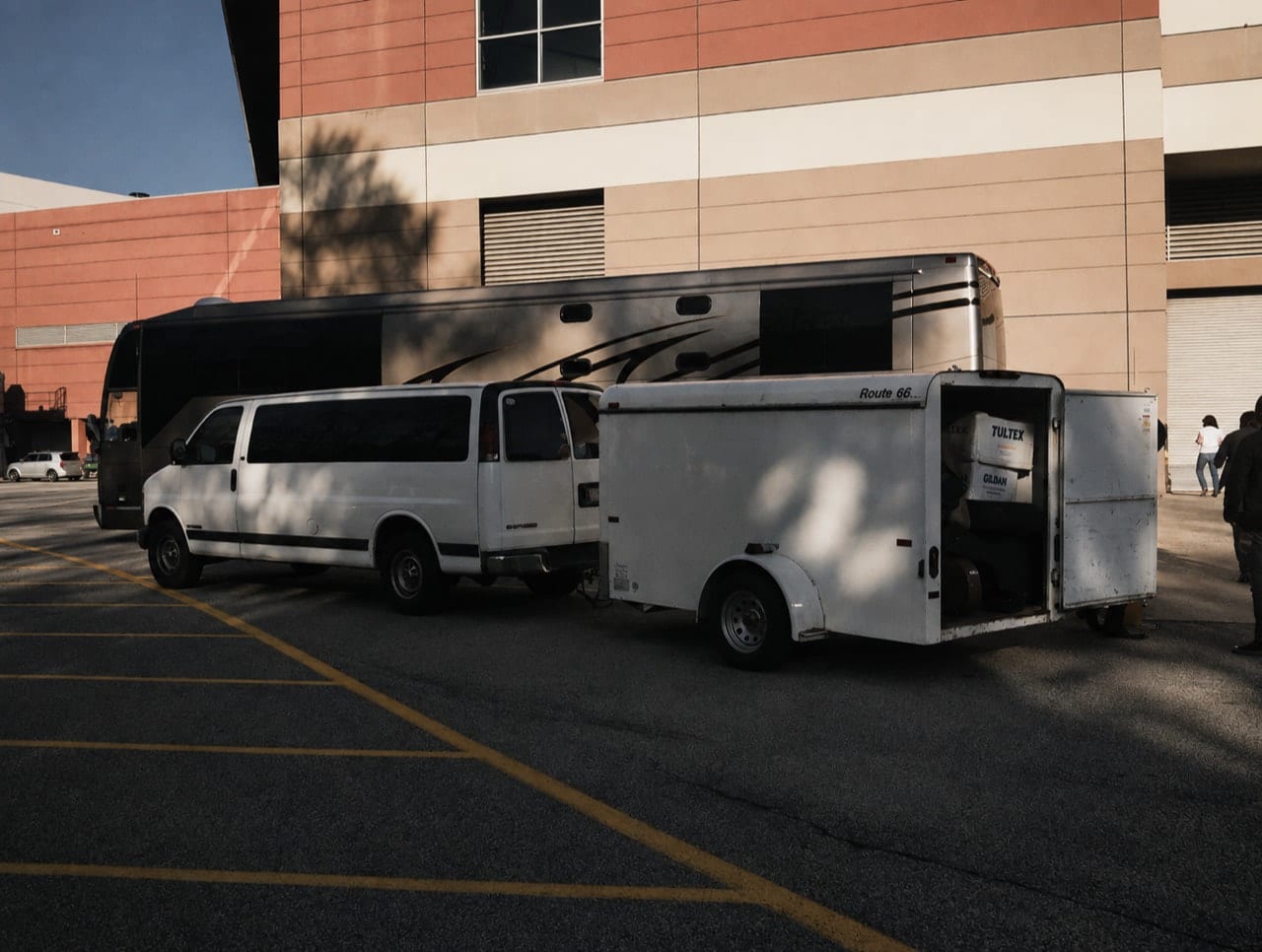
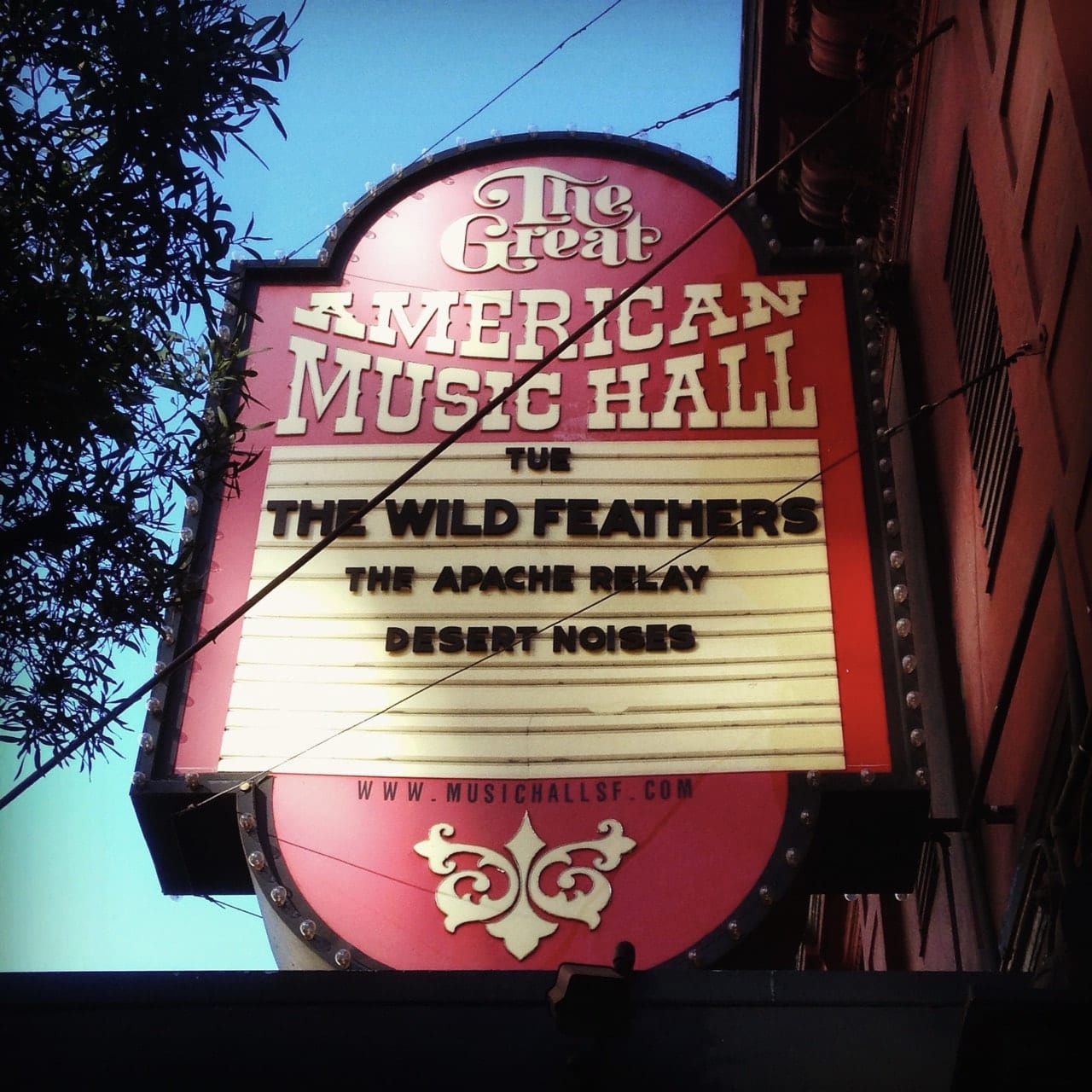
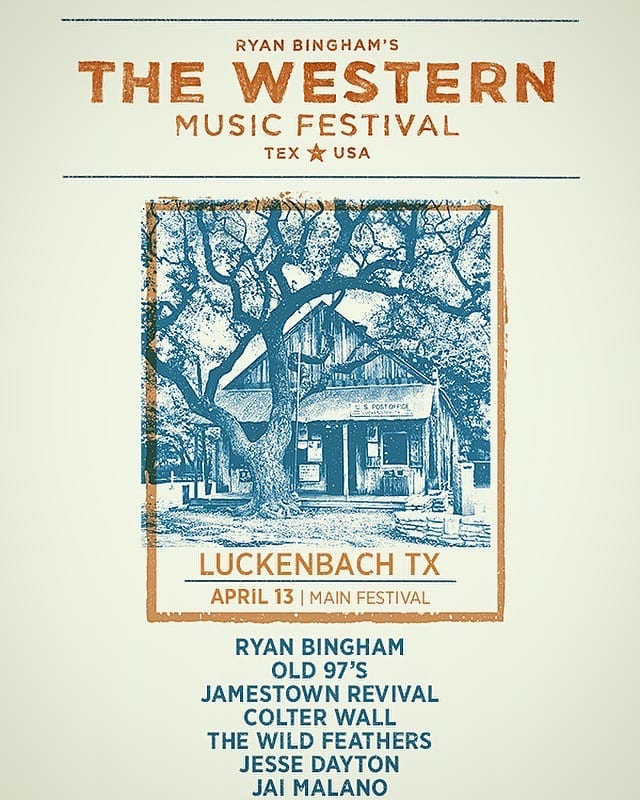
The archive documents the Paul Simon run from inside the van; stronger public records add later support contexts with Bob Dylan, Willie Nelson, Gary Clark Jr., Sheryl Crow, Band of Horses, and Blackberry Smoke. The sold-out Ryman homecoming in 2016 became the band’s first official live album. The GRAMMY Museum Spotlight was August 25, 2016 — not 2024, as the supplied synthesis states — and it is not presented as an award or nomination. The performance ledger carries the road story through the 2025 Sirens cycle without treating its secondary compilation as primary proof.
The founding guitarist’s firsthand chronology places drummer Ben Dumas joining the band in November 2012; later secondary accounts place his arrival after the 2013 debut. The conflict concerns the date, not his membership, and remains visible until a dated primary record resolves it. The founding guitarist left the touring lineup in late 2015 after contributing to the first two studio records. The lineup at the time of the 2026 pause was Ricky Young, Joel King, Taylor Burns, Ben Dumas, and Brett Moore.
The early records grew from voice memos and acoustic living-room arrangements before Jay Joyce’s live-room sessions. Alvarado shifted the process to fast, communal writing and recording in a Tennessee cabin; its title joins a Los Angeles intersection to a small Texas town. Sirens followed with Shooter Jennings, roughly thirty demos narrowed in the room to ten songs, and a title drawn from the mythic call that keeps pulling musicians back. Between them, the band opened its vault and revisited the debut acoustically.
In late June 2026, the band described July 3–5 as its last run before an indefinite hiatus: Eddie’s Attic in Decatur, the Phenix City Amphitheater, and 3rd & Lindsley in Nashville. Municipal minutes and a same-day event guide corroborate the July 4 booking, but no after-the-fact set list is claimed. The band stepped away without announcing a formal end; the archive remains open.
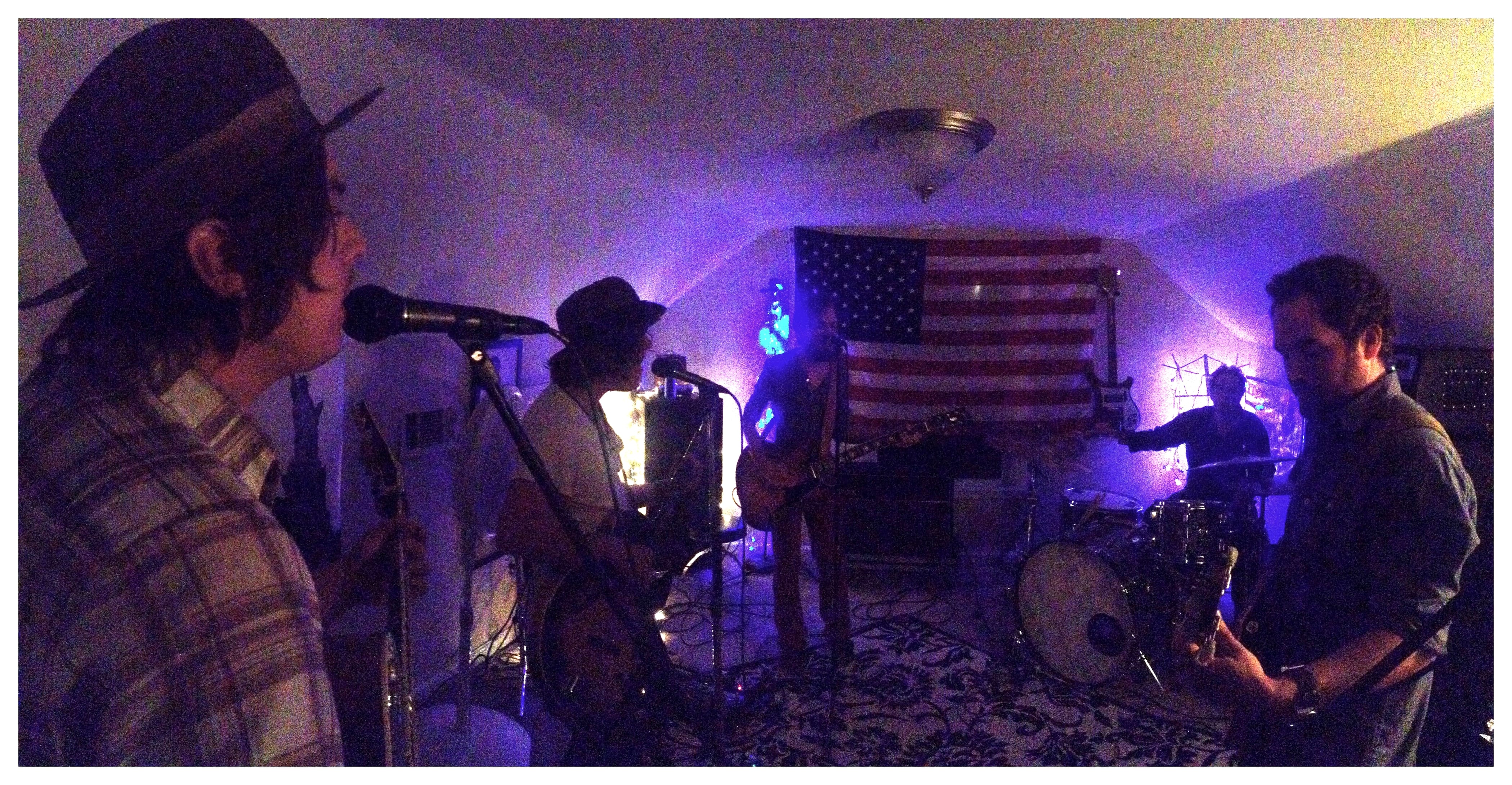
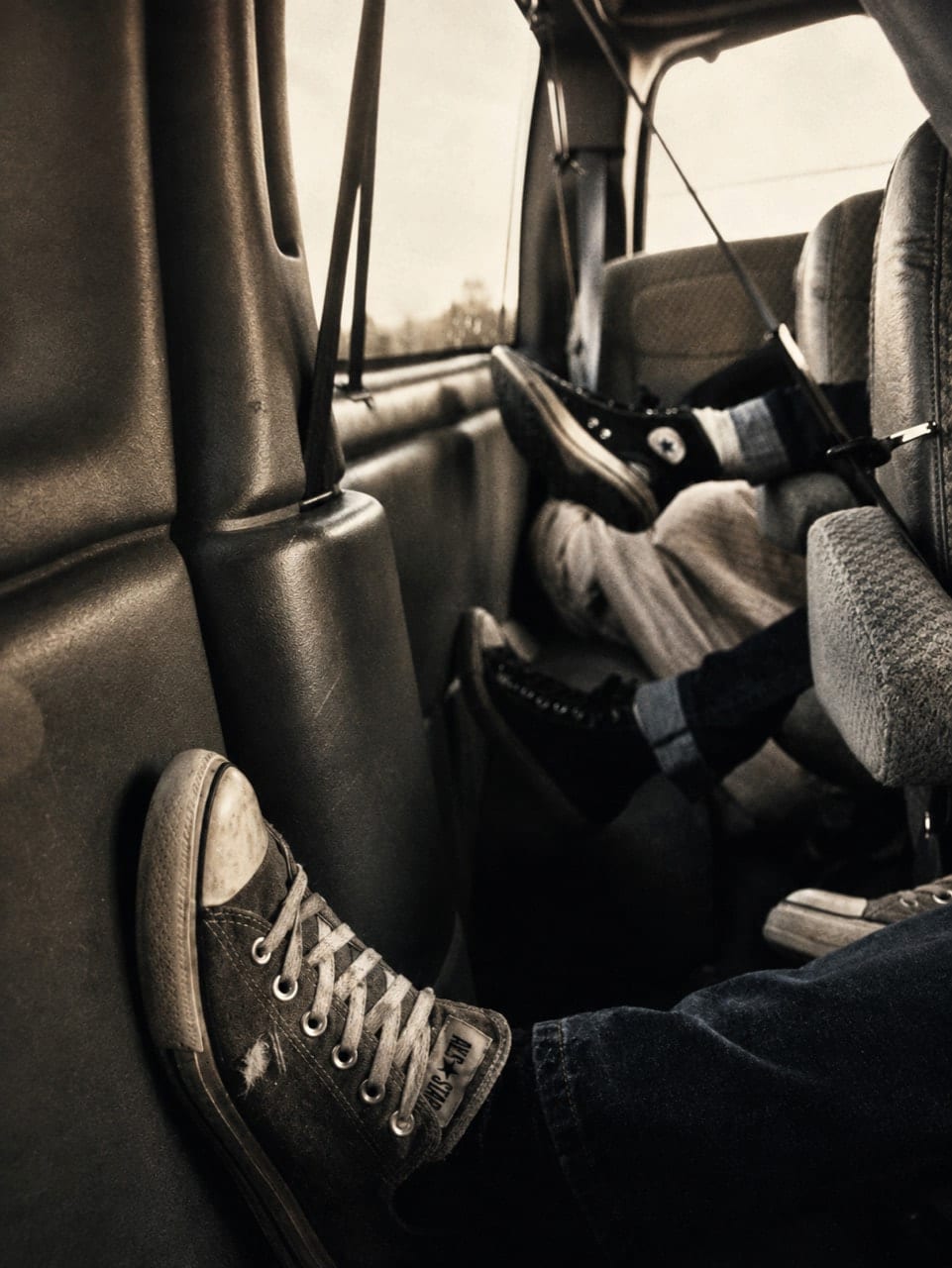 Five nights opening for Paul SimonThe Couch Songs
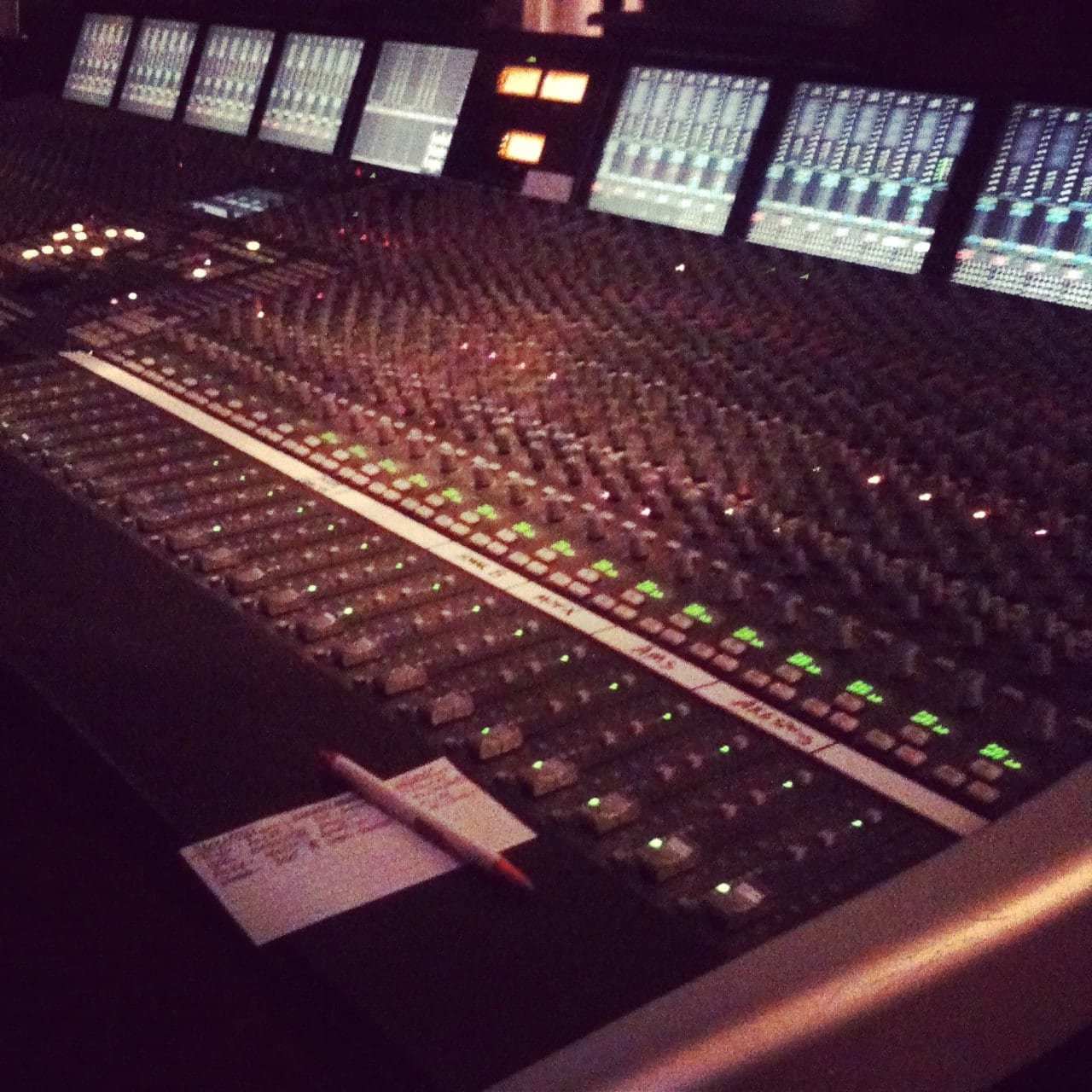 Making the debut with Jay JoyceSmoke, Feedback, and Brutal Honesty
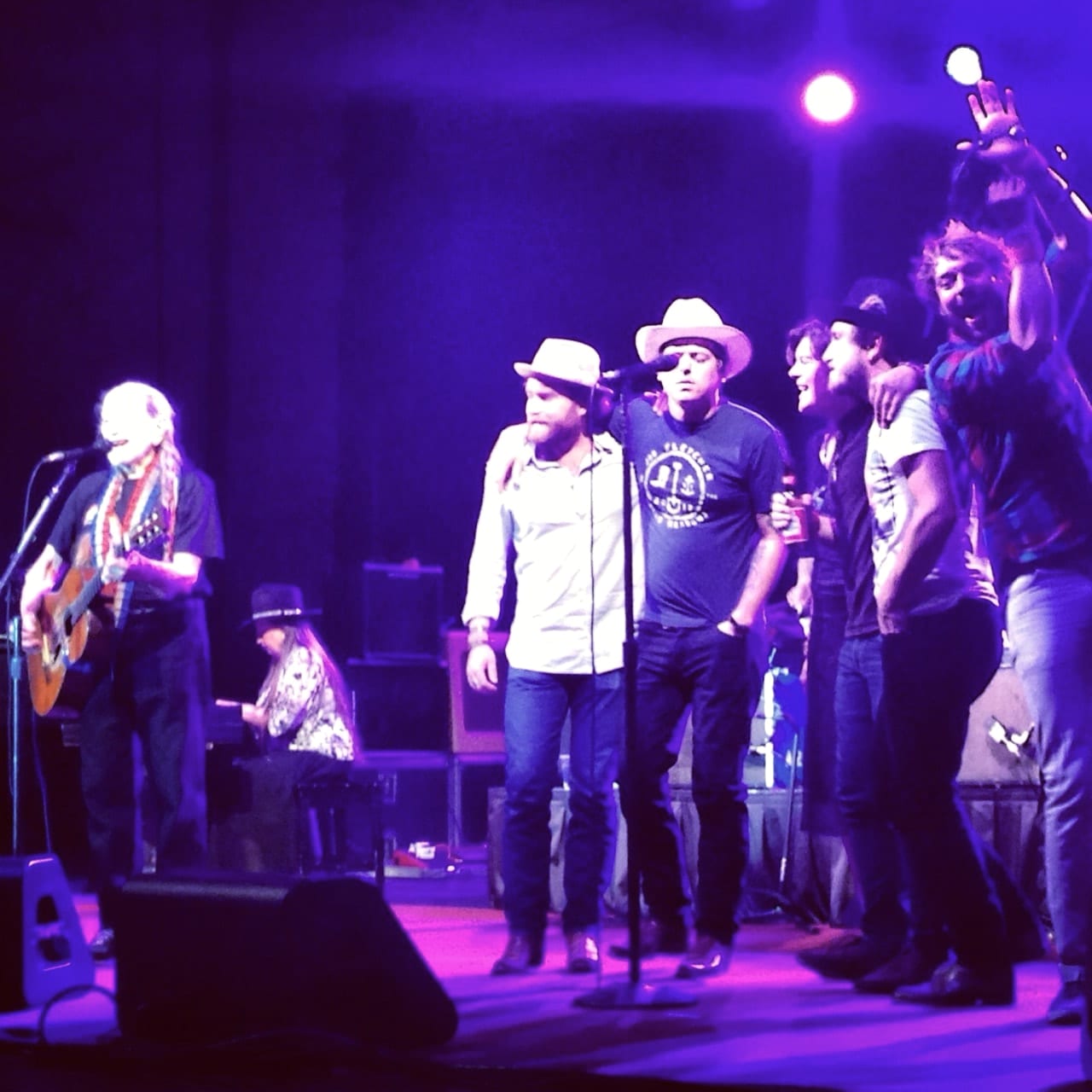 Onstage with Willie NelsonComing Full Circle
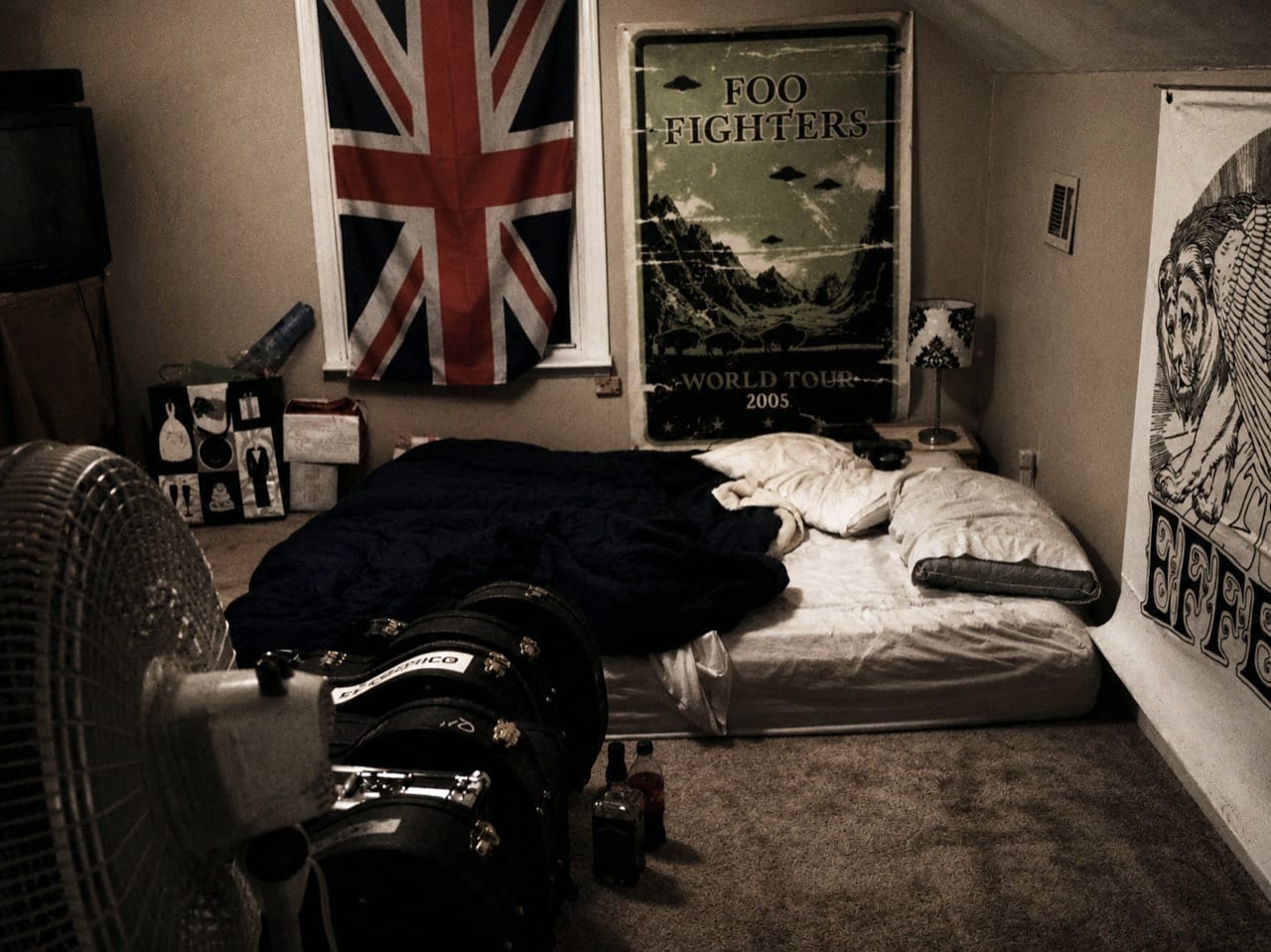 The first Nashville roomsBefore It Was Real
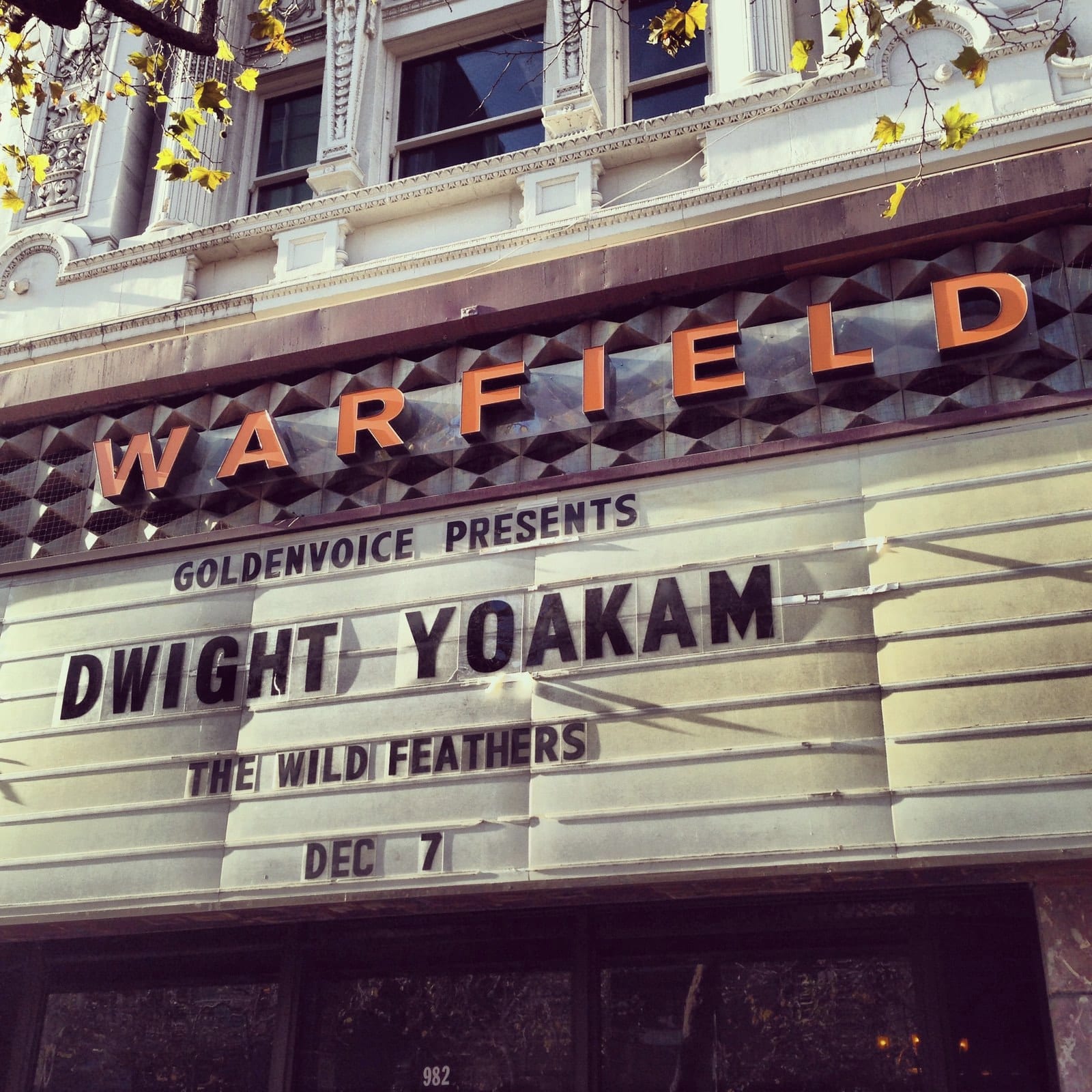 Kimmel, Conan, and the road betweenOur Name on the Door
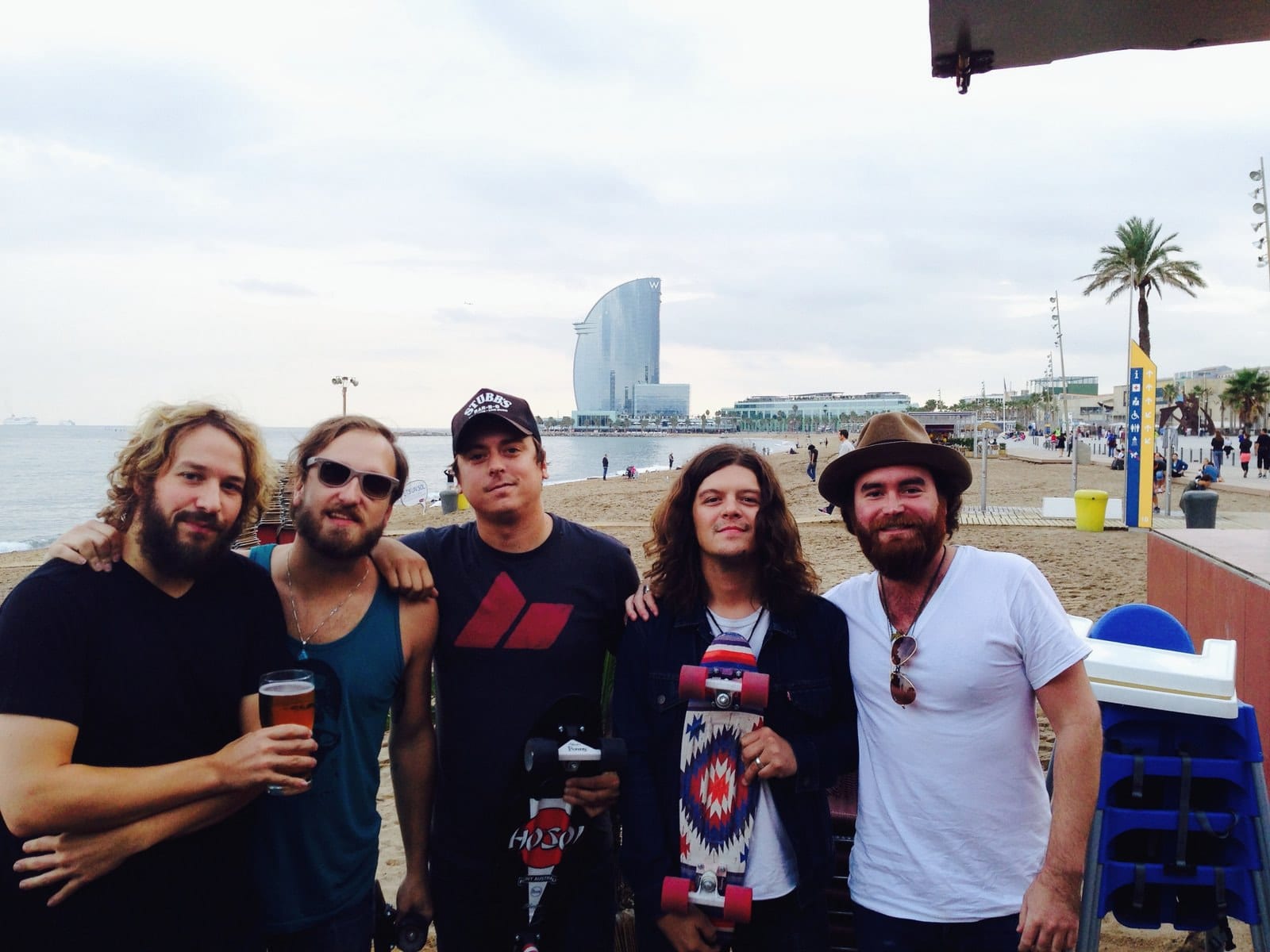 Writing between shows in EuropeThe Writing Room in Barcelona
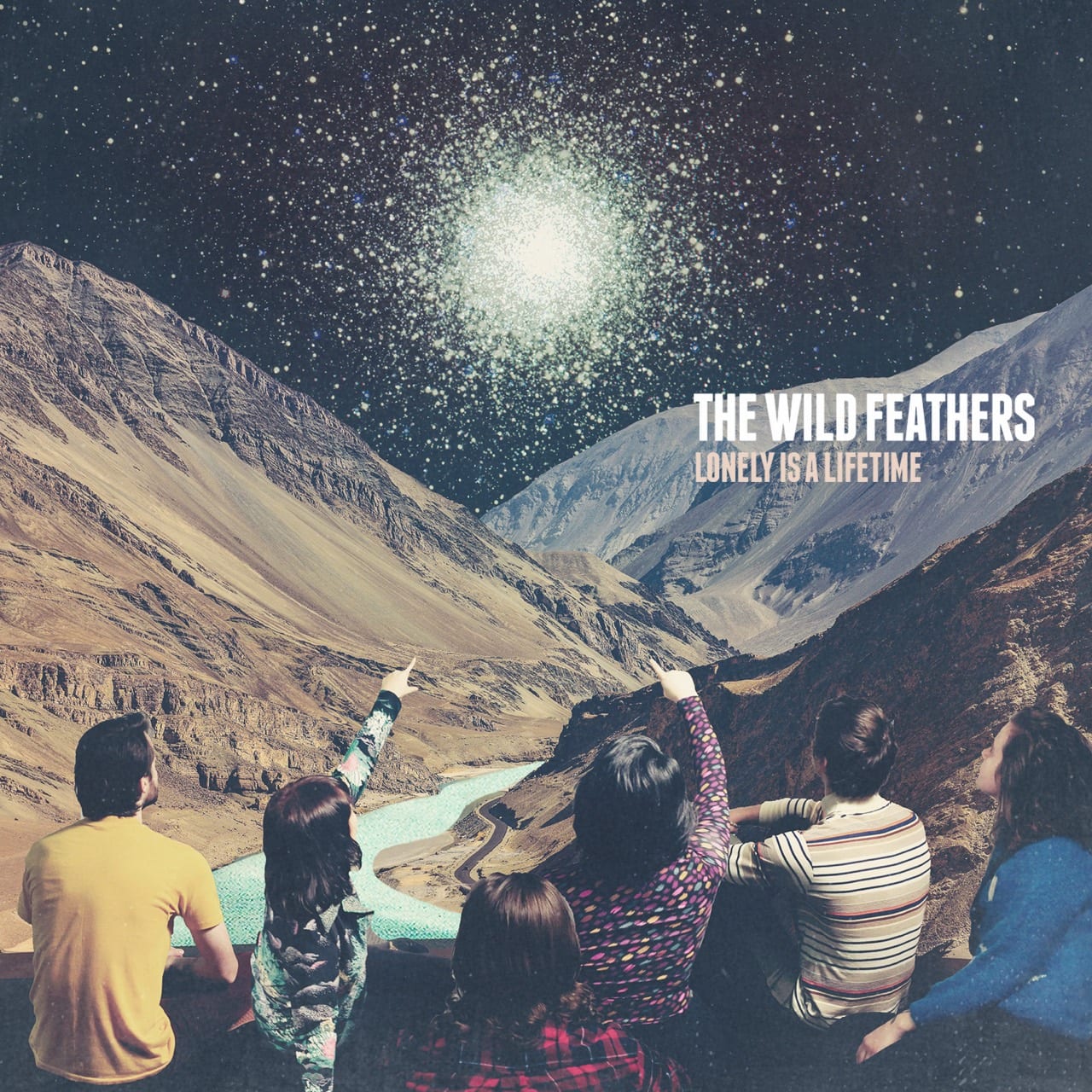 The second album and a lineup changeThe Second Record and the Departure